PROJECT BRIEF
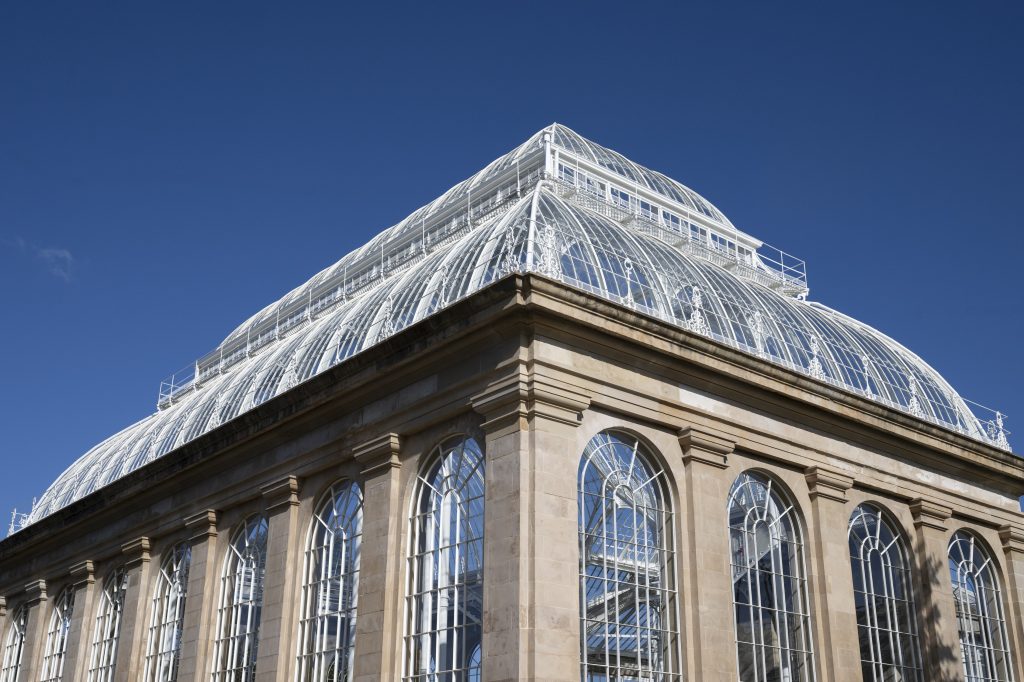
Roger Bullivant Limited (RBL) were appointed by Balfour Beatty to deliver a specialist piling solution for the new Energy Centre, a major infrastructure component of the wider Edinburgh Biomes Project at the Royal Botanic Garden Edinburgh. The new facility will provide heat and power for several critical glasshouses and the nursery site through a combination of ground-source heat pumps and high efficiency boilers, protecting the long term resilience of the Garden’s globally important Living Collection.
Early in the design process, RBL worked collaboratively with consulting engineers Harley Haddow to develop CHD piles as a sustainable, low vibration, low noise foundation solution, essential given the sensitive residential setting of Inverleith and the proximity of Edinburgh Academy Junior School.
Following this early engagement, RBL was awarded the subcontract in October 2025, with installation completed in January 2026, aligning with the project’s sustainability and programme requirements.
KEY ISSUES
Complex and variable ground conditions consisting of very stiff clays with potential cobbles and boulders within the glacial till, resulting in hard drilling zones.
Restricted and challenging site logistics, including limited access and tight platform boundaries.
Sensitive surroundings, with the works located within a suburban area and adjacent to an active junior school, necessitating minimal noise, vibration and disruption during pile construction.
SOLUTION
- In response to the risk of obstructions within the glacial till, RBL engineered a refined CHD solution that minimised required penetration into the till layer to achieve the required capacity, enabling shorter, more efficient pile lengths without compromising performance.
- Two static load tests were successfully completed, demonstrating settlements well below the specified settlement limit of 10mm at at SLS, confirming the design’s robustness.
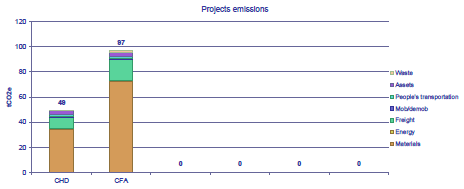
- Compared with a traditional 450mm CFA design, the CHD solution delivered approximately 50% tCO²e savings, driven by:
- Reduced concrete volumes due to displacement tooling.
- Lower spoil generation and significantly reduced arisings, minimising vehicle movements.
- Adoption of CEM IIIB low carbon concrete supplied through Heidelberg Materials UK.
- CHD piling provided a predictable and controlled installation method ideal for the constrained site. The displacement technique reduced muck-away requirements, cutting traffic and improving safety around the busy local area and school.
- This project showcases the benefits of involving RBL at early design stages. Collaborative pre construction work enabled the most appropriate technical, economic and environmental solution, supporting the delivery of a critical non residential, sustainability driven development.